Driving through Romford, a town known for its vibrant centre and growing traffic density, can be challenging even for experienced motorists. Whether you are a learner driver preparing for day-to-day travel or a seasoned road user adjusting to new layouts, understanding how to handle the area’s busiest intersections is essential for safe and confident driving. This guide explores Romford’s traffic hotspots, roundabouts, and pedestrian-heavy zones, offering structured insights to help drivers navigate with clarity and control.
Romford’s rapid development has led to increased vehicle flow, busy shopping districts, and complex multi-lane junctions. For learners undergoing driving lessons in Romford with local schools, adapting to these conditions takes practice and a solid understanding of how traffic systems function. This article breaks down the most common challenges, explains how to approach them safely, and highlights practical Romford driving tips that support smoother journeys.
Understanding Romford’s Road Layout
Romford combines older road layouts with newer infrastructure upgrades. This mix can sometimes create unexpected driving scenarios, especially in areas where narrow residential roads meet major junctions or where pedestrian traffic is high.
Key Characteristics of Romford Roads
- Several multi-lane roundabouts within short distances of one another.
- High footfall around commercial centres such as South Street and the Liberty Shopping Centre.
- Frequent bus routes that require lane discipline and anticipation.
- Varied speed limits moving between residential, retail, and arterial roads.
- Ongoing development work that occasionally alters road priorities.
To manage these features effectively, it is important that drivers understand the structural layout and anticipate typical traffic patterns.
Major Traffic Hotspots in Romford
Romford contains several locations where traffic density rises sharply during peak times. These areas require extra awareness, patience, and correct road positioning.
South Street and the Station Interchange
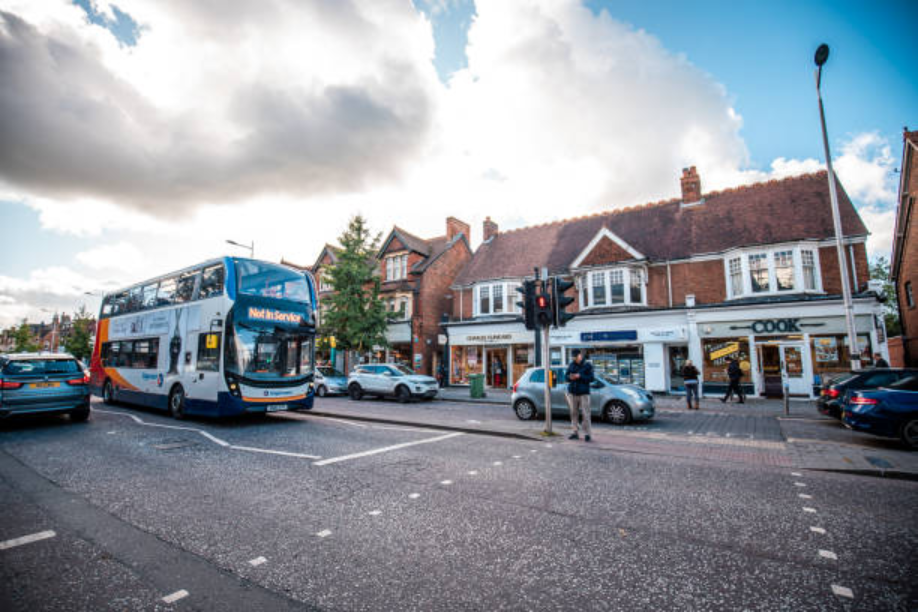
South Street is one of Romford’s busiest routes, connecting the railway station to retail districts. The combination of taxis, buses, cyclists, and pedestrians crossing at multiple points creates a high-pressure environment.
- Pedestrians may cross unexpectedly near the station entrance.
- Buses frequently merge from stops and designated lanes.
- Delivery vans often pull into side streets, reducing visibility.
- Traffic lights change quickly to manage flow, requiring prompt reactions.
Mercury Gardens Roundabout Area
This junction connects several major routes leading to the town centre. It is known for multi-lane roundabouts, which require precise lane choice and steady speed control.
- Fast-moving traffic during peak hours.
- Drivers switching lanes late due to unclear positioning.
- High lane-discipline
- Mixed vehicle types, including large vans and heavy-goods vehicles.
A125/A118 Intersection
This intersection brings together traffic from residential zones and the major arterial road leading towards London. The merging and filtering systems can be confusing for newcomers.
- Anticipate filtering vehicles.
- Maintain safe following distances.
- Be aware of sudden braking during busy times.
Key Intersections and Their Challenges
| Intersection / Area | Main Challenges | Recommended Approach |
|---|---|---|
| South Street (Station Area) | High pedestrian flow, buses merging, rapid signal changes | Maintain low speed, anticipate crossings, keep clear sightlines |
| Mercury Gardens Roundabout | Lane discipline, multi-lane confusion, fast traffic | Choose lanes early, signal clearly, avoid last-minute changes |
| A125/A118 Junction | Merging traffic, mixed vehicle sizes, unpredictable braking | Keep safe distance, observe early, adjust speed smoothly |
| Romford Ring Road | Continuous flow, lane restrictions, heavy usage | Plan route beforehand, maintain steady speed, avoid unnecessary lane shifts |
| Eastern Road | Narrow lanes, bus priority areas, parking movements | Stay centred in lane, observe road markings, adjust speed for parked vehicles |
Roundabouts in Romford: A Detailed Breakdown
Roundabouts are a core part of Romford’s road network. Understanding how to navigate them safely is essential for anyone learning to drive in the area.
Why Romford Roundabouts Can Be Challenging
- Multi-lane structures with complex lane markings.
- High entry speeds from some approaches.
- Drivers unfamiliar with lane rules making sudden movements.
- Cyclists and motorcyclists using advanced positions.
Learners often note that roundabouts require the most practice due to their technical demands. Following a consistent method helps build confidence.
How to Navigate Multi-Lane Roundabouts Safely
- Plan Early: Before reaching a roundabout, check the road signs to determine the correct lane. Early planning reduces the likelihood of sudden lane changes, which can confuse other drivers.
- Observe Lane Markings: Romford’s multi-lane roundabouts often include detailed road markings. These markings indicate the correct lane for each exit. Keeping your wheels centred within the lane helps maintain a safe path.
- Maintain a Steady Speed: Approaching too fast can cause overshooting or harsh braking. A gentle, controlled speed allows for proper observation of circulating traffic.
- Look for Gaps, Not Spaces: Choose a safe gap in the traffic, not simply a space that appears large. A proper gap accounts for the speed and direction of circulating vehicles.
- Signal Clearly: Signal only when leaving the roundabout. Indicating too early may confuse drivers and alter their expectations.
Pedestrian Areas and High-Footfall Zones
Romford’s town centre features several pedestrian-dense areas where careful observation and controlled speed are essential.
Major Pedestrian Areas to Be Aware Of
- South Street crossings.
- Liberty Shopping Centre entrances.
- Queen’s Hospital vicinity.
- Market Place footfall peaks.
In these areas, drivers should adopt enhanced hazard perception. Pedestrians may cross unpredictably or step between parked cars.
Safe Driving Techniques for Pedestrian Zones
- Maintain Low Speeds: Lower speeds increase reaction time and reduce stopping distances. This is particularly important near shopping centres and transport hubs.
- Use Defensive Driving: Expect unexpected movements from pedestrians, cyclists, and buses. By assuming that hazards may appear suddenly, you can adopt a safer driving posture.
- Avoid Overtaking: Overtaking in pedestrian-rich areas increases risk, especially when visibility is compromised by parked vehicles or crowds.
Weather-Related Challenges in Romford
While Romford does not experience extreme weather regularly, seasonal changes still affect road conditions significantly.
- Winter Traffic: Reduced visibility on early mornings, slippery surfaces on shaded roads, increased stopping distances on wet or icy days.
- Summer Traffic: Glare from sun-lit streets, overheating risks in congested zones, higher pedestrian activity.
Observing these seasonal influences helps drivers adjust their behaviour for safer travel.
Traffic Management Systems and Signage
Romford employs various traffic management systems designed to organise heavy vehicle and pedestrian flow.
- Bus-priority signals.
- Advance directional signs.
- Speed-control signs.
- Pedestrian-activated crossings.
Understanding these systems contributes to smoother navigation and better anticipation of traffic flow.
How to Handle Congested Conditions
During peak hours, Romford’s main roads can become heavily congested. Patience and steady vehicle control are crucial in such circumstances.
- Maintain consistent speed rather than speeding up and slowing down.
- Avoid blocking junctions during standstill queues.
- Leave adequate space when stopping behind other vehicles.
- Use mirrors frequently to monitor traffic movement.
These strategies help reduce stress while improving road safety for everyone.
Parking Considerations in Romford
Parking also plays a significant role in the driving experience. Romford consists of multi-storey car parks, on-street parking zones, and residential permit areas.
- Observe time restrictions carefully.
- Avoid areas near corners where visibility is limited.
- Do not park in bus stops, red lines, or loading bays unless permitted.
- Practise reverse bay and parallel parking techniques regularly.
Good parking discipline contributes to efficient traffic flow and overall road safety.
Building Confidence as a Romford Driver
Confidence develops over time through repeated exposure to various driving environments. Continuous practice at busy intersections, roundabouts, and pedestrian zones builds essential skill and awareness.
- What Local Road Awareness Includes:
- Understanding typical traffic patterns.
- Knowing peak-hour congestion times.
- Recognising short-cut routes without compromising safety.
- Adjusting speed based on area-specific demands.
Building awareness takes consistent practice and attention to local conditions.
Training with local instructors, including those from Aram Driving School, helps learners apply structured techniques consistently across different road conditions. With the right guidance and experience, navigating Romford’s busy intersections becomes far more manageable.
Final Thoughts
Navigating Romford’s busy intersections requires a combination of practical skills, strong observation, and an understanding of local traffic behaviour. By applying structured driving techniques, motorists can manage traffic hotspots, complex roundabouts, and pedestrian-heavy zones more effectively. Whether you are a learner training with Aram Driving School or a regular commuter seeking smoother journeys, developing a confident, informed approach to Romford’s road network leads to safer and more reliable travel. For structured learning and further guidance, please contact us directly.
Frequently Asked Questions
What are the biggest driving challenges in Romford?
The main challenges include navigating multi-lane roundabouts, handling congestion during peak hours, and managing high pedestrian activity near the station and commercial areas.
How can learners adapt to Romford’s traffic hotspots?
Learners benefit from practising during different times of day, maintaining strong observation skills, and following structured Romford driving tips that emphasise planning and lane discipline.
Is South Street difficult to drive through?
Yes, South Street often experiences high footfall and bus activity, requiring extra attention and lower driving speeds to ensure safety for all road users.
What helps most when navigating busy roundabouts?
Early lane selection, steady speed, clear signalling, and correct observation patterns are essential for safe roundabout navigation. These skills are often refined during professional driving lessons.
Are there quieter routes to avoid heavy congestion?
Yes, but drivers should choose alternative routes carefully and only when familiar with the area. Relying solely on shortcuts may increase risk if visibility or signage is unclear.